The Return of Grunge (and why it matters)
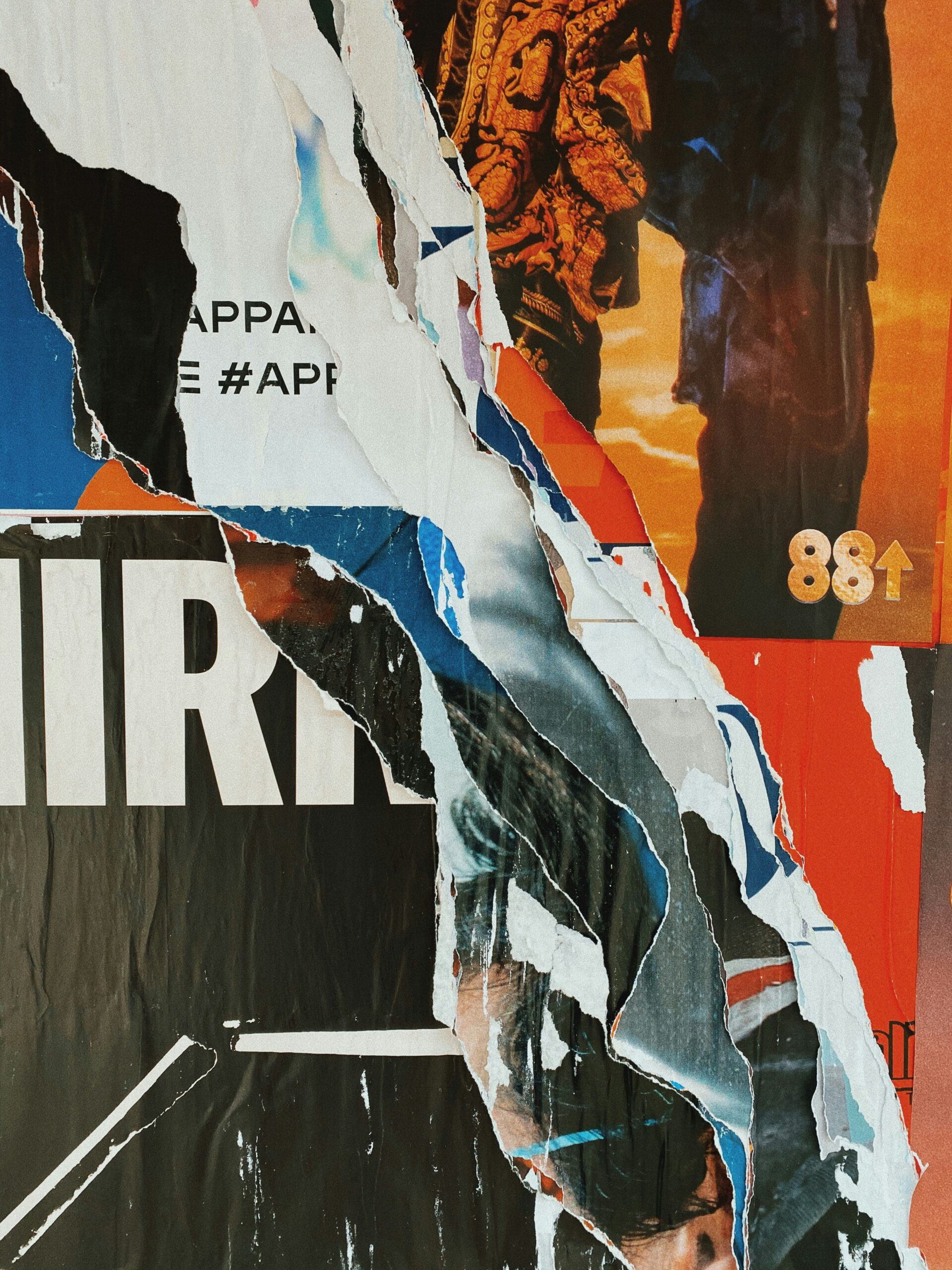
Design today is smooth, efficient, and carefully calibrated. It loads fast, scales well, and rarely surprises anyone. And while all of that sounds like progress, it has led us to a strange place where brands across industries increasingly resemble one another. Correct, competent, and hard to remember.
AI did not create this situation. It exposed it.
If you want to understand how we ended up here, trace a straight line back to the 2010s, when UX became the dominant framework for decision making. Clarity was elevated, friction eliminated, and consistency treated as proof of quality. Branding followed and the craft slowly shifted from making something distinctive to making something defensible and functional.
Then the production layer changed.
Suddenly, it became trivial to generate concepts, visual worlds, and brand expressions at speed. What once took weeks could now be done in hours. The promise was creative freedom. In practice, most organisations used that speed to optimise for efficiency rather than character. When tools are trained on similar references and default to familiar solutions, difference collapses quickly
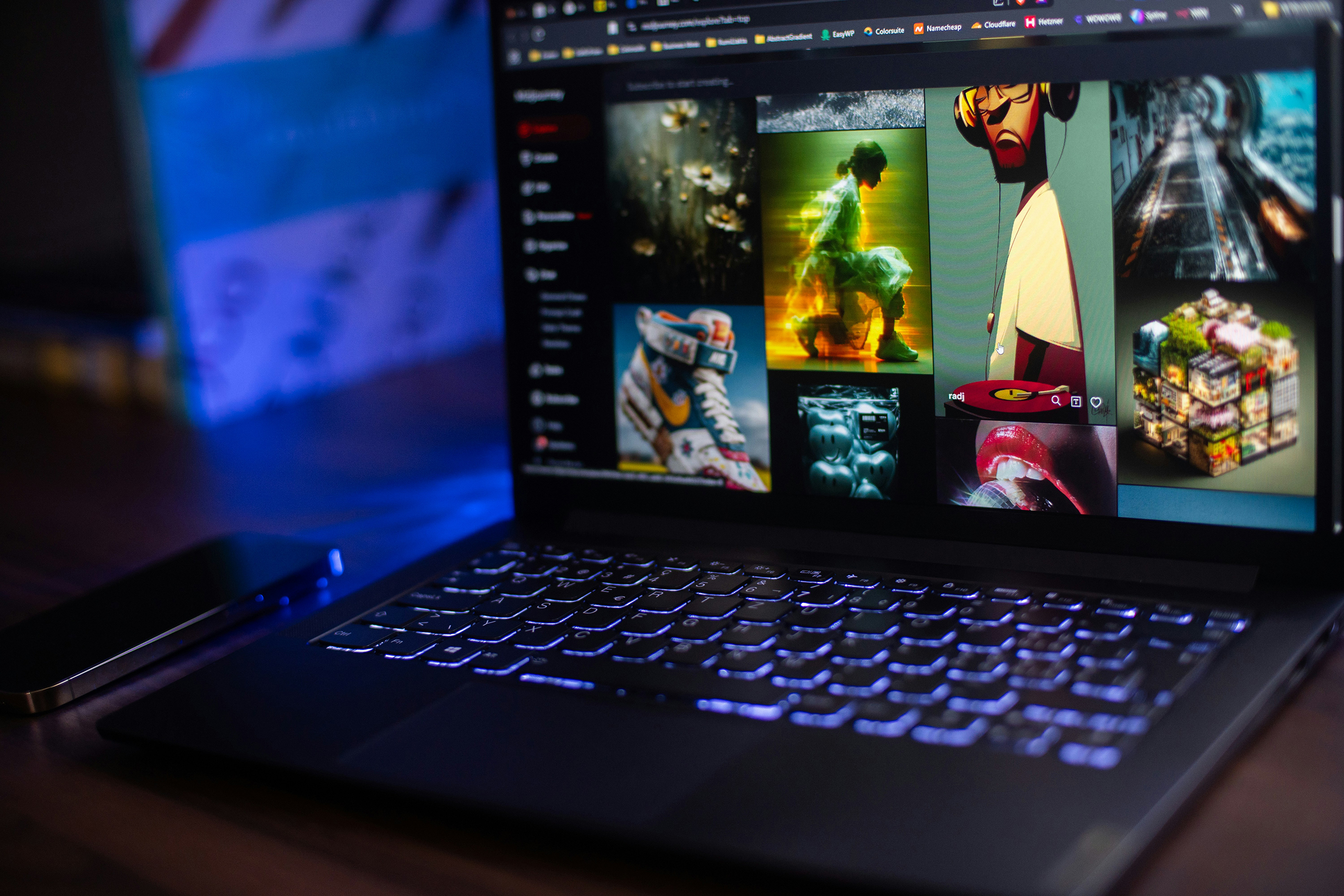
The short term gain is obvious.
The long term cost is not.
If your brand becomes indistinguishable, you have not saved money. You have simply spent it on invisibility.
AI can produce unexpected, strange, and genuinely exciting things. The problem is not the tools themselves, but who uses them and why. For most companies, AI becomes a way to remove cost and compress timelines rather than question assumptions or explore new territory. When speed becomes the primary goal, outputs gravitate toward what already feels comfortable.
This is where the current moment starts to feel familiar.
Visa detta inlägg på Instagram
In the 1990s, grunge design emerged as a reaction to a design culture that had become overly controlled. Modernist principles had hardened into rules, producing work that felt disconnected from how people actually experienced the world. Designers like David Carson pushed back by reintroducing intuition, irregularity, and emotion, insisting that design could carry personality rather than neutrality.
Today’s version of that reaction is not about reviving a specific look from the 90s. It is about bringing the unexpected back into the work in more fundamental ways. Designers are starting to interfere with the building blocks again, bending type, disrupting hierarchy, and allowing roughness and tension where everything previously had to be smooth. Not as decoration, but as intent.
Visa detta inlägg på Instagram
You can already see this shift among early adopters, particularly in cultural institutions and creative events. Contemporary festival identities and museum brands are choosing expression alongside clarity. The work feels less like a template and more like something alive.
This is why the return of grunge matters.
Visa detta inlägg på Instagram
AI will continue to make production faster and cheaper. That is not the question. The question is what brands choose to do with that efficiency. Brands are not remembered for being correct. They are remembered for having a point of view. In a world where it is easy to look right, the real advantage lies in daring to look, act, and feel different.
Lasting ideas are not optimised into existence.
Living brands are built by people willing to leave a trace.